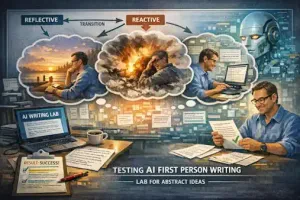
An AI framework is the practical structure that turns models into something usable. It defines how prompts are written, how assistants are shaped, how tools are layered, and how decisions flow from input to output. Without a framework, AI use is improvisation. Sometimes it works. Most of the time it collapses into inconsistency, wasted effort, and outputs that cannot be repeated or trusted.
This category is a container for articles about building and using a functional AI framework in real conditions. The focus is on how the pieces fit together: AI assistants, prompt systems, role design, tool chains, and the overall AI stack that supports them. Each article examines a specific part of the framework, not in isolation, but as part of a working system that has to hold up under repeated use.
The emphasis here is usability. Not abstract architecture diagrams and not marketing language. A usable framework is one that a person can return to tomorrow, next week, or six months later and still get predictable behavior. That requires structure, conventions, and clear boundaries between what the AI is responsible for and what the human controls.
These articles explore how frameworks evolve, where they fail, and why most breakdowns are caused by missing structure rather than model limitations. The goal is to make AI systems that are stable, adaptable, and understandable, frameworks that support real work instead of getting in the way of it.