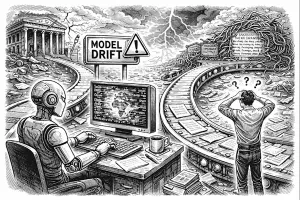
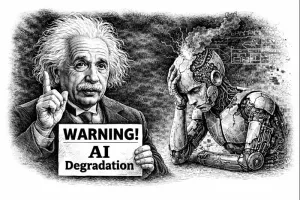
AI drift is the direct result of companies dynamically enforcing external rules to save on compute cycles. This is a forced degradation where cost-cutting measures override the model's original training. By capping the resources available for processing, companies cause the system to diverge from its intended logic. This creates a disconnect where the math fails and the model falls into a hallucination trap that is unrecognizable by the casual user.
This category contains articles that exists to teach you how to recognize these failures so you do not publish inaccurate content. If you rely on these tools for your work, you must be able to identify the markers of a system that has been compromised by external constraints. We document these patterns of decay to provide a diagnostic manual for the real world. By understanding how a model behaves when its processing is restricted, you can protect the integrity of your own content.
We analyze the friction between forced efficiency and actual accuracy to show you when a system is inventing facts to bridge the gap in its limited processing. If you are not looking for the drift, you are already losing. This is the toolkit for identifying the rot and staying tethered to the truth when the machine starts to fail. It is the only way to ensure your output remains accurate while the underlying systems are being squeezed for profit.
AI is a petulant child throwing tantrums when the budget gets cut.